Tax Planning Strategies
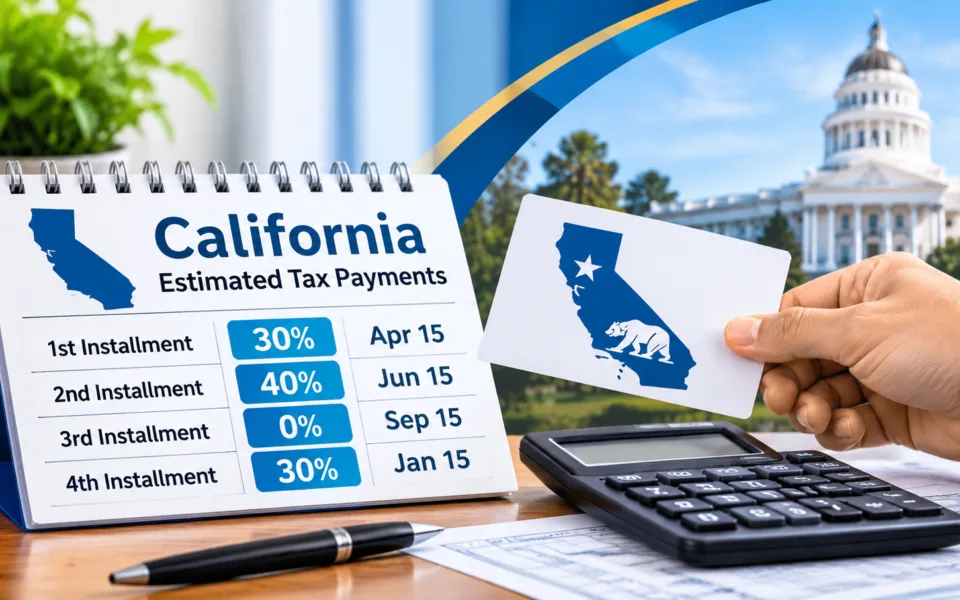
California Estimated Tax Payments: 30/40/0/30 Schedule
California splits estimated tax into four installments of 30%, 40%, 0% and 30% of the required annual payment.…
READ MORE ● NexusWorks Team
Reviewed by a licensed CPA
Short answer: Learn what financial systems optimization involves, the signs your business needs it, and how NexusWorks connects bookkeeping, tax, and CFO reporting.
Financial systems optimization is the process of connecting a company’s accounting software, reporting structure, and financial workflows into one accurate, real-time system, so bookkeeping, tax, and leadership decisions all draw from the same data instead of fragmented spreadsheets and disconnected tools. For growing businesses, it is what turns financial data into something leadership can actually act on.
Financial systems optimization means auditing how money data moves through a business, from invoicing and bookkeeping software to bank feeds, payroll, and reporting, and rebuilding those workflows so information is accurate, current, and connected. Instead of a bookkeeper working in one tool, a CPA working in another, and leadership reviewing a spreadsheet built manually every quarter, an optimized system feeds all three from a single source of truth.
Most businesses do not have a strategy problem, they have a systems problem. Financial decisions get made on outdated numbers, reports take days to assemble, and small errors compound as transaction volume grows. Common signs a company has outgrown its current financial systems include:
The right accounting platform and chart of accounts structure, configured to match how the business actually operates, not a generic default template. This is the foundation everything else depends on.
Standardizing how transactions are entered, categorized, and reconciled so the close process is consistent every month and does not depend on one person’s manual workaround.
Building reports that show margin, cash flow, and profitability in a format leadership can read in minutes, rather than raw exports that require a finance background to interpret.
Connecting bookkeeping, payroll, banking, and tax data so information flows automatically between systems instead of being manually re-entered, which is where most errors and delays occur.
NexusWorks LLC treats financial systems optimization as the connective layer of the Financial Triangle, bookkeeping, tax strategy, and fractional CFO advisory working from one integrated system instead of three disconnected vendors. We audit existing workflows, rebuild reporting structure around real decision-making needs, and align the resulting system with tax strategy and CFO-level forecasting, so the numbers a business reports are the same numbers used to plan its next move.
Is your financial data spread across disconnected tools and spreadsheets? Book a free financial assessment with NexusWorks LLC to see how a coordinated financial system could improve your reporting and decisions.
Frequently Asked Questions

What does financial systems optimization actually involve?
It involves auditing existing accounting software, chart of accounts, and reporting workflows, then rebuilding them so bookkeeping, tax, and leadership reporting draw from one connected, accurate data source.
How is financial systems optimization different from bookkeeping?
Bookkeeping records and reconciles transactions within an existing system. Financial systems optimization redesigns the system itself, the software, workflows, and reporting structure, so that bookkeeping and reporting run more accurately and efficiently.
How do I know if my business needs financial systems optimization?
Common signs include a slow or inconsistent monthly close, reports that take days to rebuild manually, disconnected data across tools, and financial processes that have not scaled alongside revenue or headcount growth.
Can financial systems optimization help with fundraising or due diligence?
Yes. Clean, connected financial systems make due diligence significantly faster for lenders, investors, or acquirers, since financial data can be reviewed quickly without manual reconstruction.
How long does it take to optimize a company’s financial systems?
Timelines vary by complexity, but most engagements move through an initial assessment, systems and workflow rebuild, and reporting structure design within one to three months, followed by ongoing refinement.
Keep reading
Tax Planning Strategies
California splits estimated tax into four installments of 30%, 40%, 0% and 30% of the required annual payment.…
READ MORE ●Tax Planning Strategies
AI tax preparation tools handle data entry and standard situations well, such as W-2 income and common credits.…
READ MORE ●Tax Planning Strategies
A W-2 gives you fewer levers than a business owner has, but the ones you have still matter.…
READ MORE ●Hi there! Have a question about tax, bookkeeping or CFO support? Send us a message on WhatsApp.
Start chat